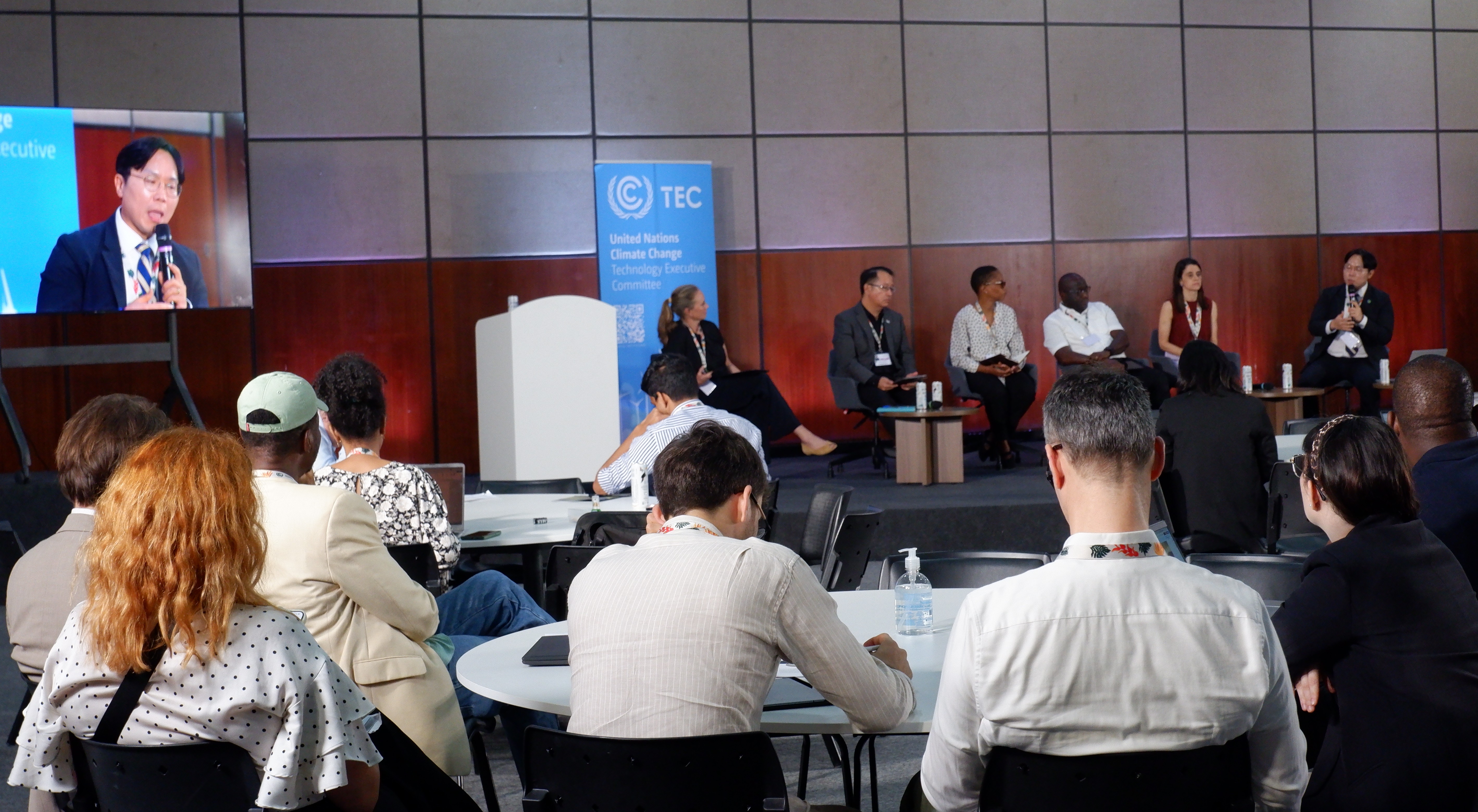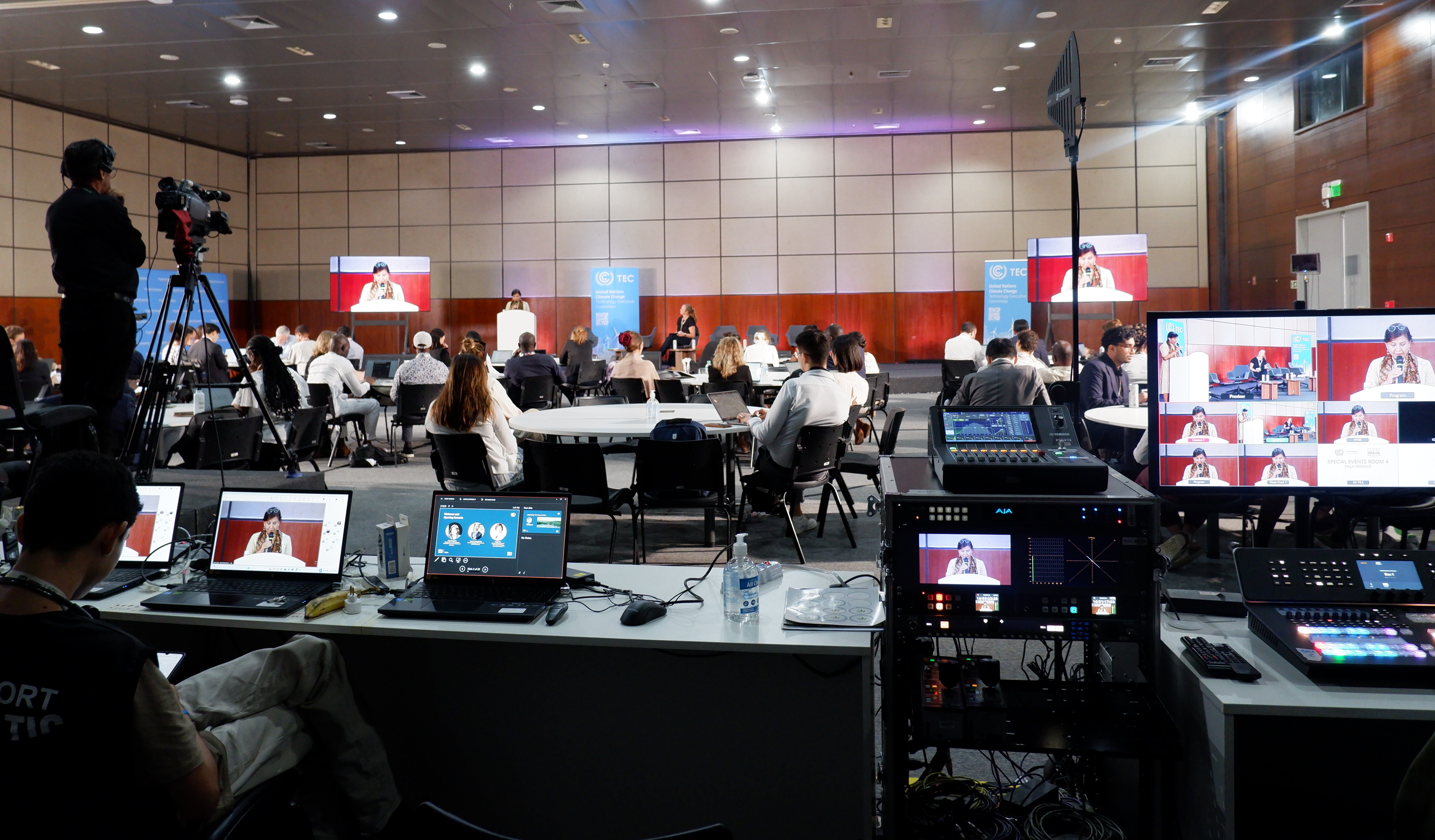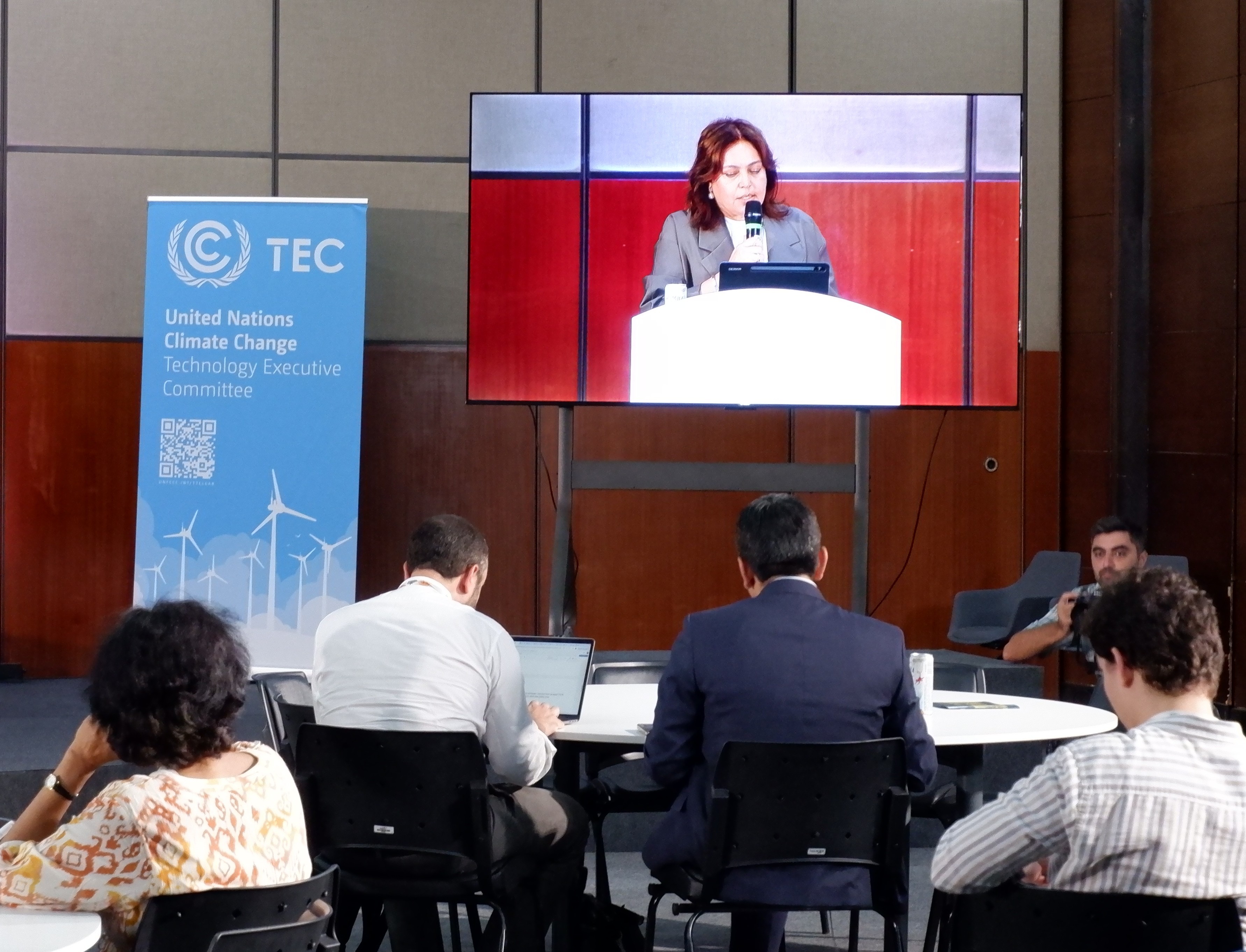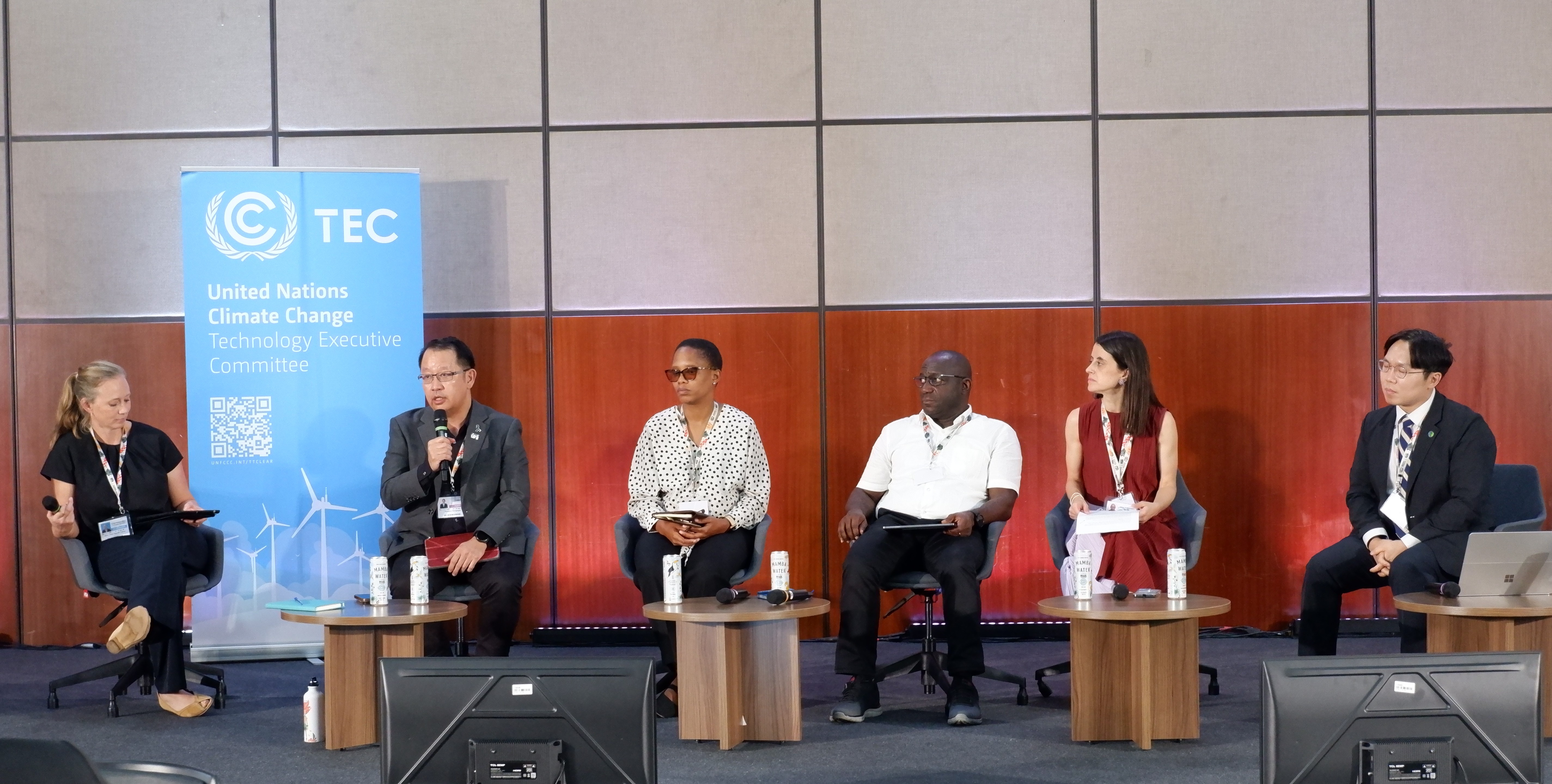
With climate action entering a decisive decade, the expanding role of Technology Needs Assessments (TNAs) in helping countries prioritize technologies, strengthen institutions, and turn national climate goals into practical pathways was highlighted at COP 30 event.
Demonstrating how countries are using Technology Needs Assessments (TNAs) to accelerate the implementation of their national climate goals, the COP30 side event “Implementing NDCs 3.0: Technology Needs Assessments & Action Plans” brought together government representatives, climate funds, and international partners.
Opened by the COP30 Presidency and co-organized by UNFCCC and UNEP Copenhagen Climate Centre, the event underscored a growing global recognition: credible climate action begins with identifying the right technologies, for the right sectors, at the right time.
Accelerating implementation
The world is entering a decisive decade with focus moving from pledges to implementation. Countries need a clear, evidence-based understanding of which technologies can deliver mitigation and adaptation impacts and how these can be integrated into national development priorities.
TNAs—now implemented in more than 100 countries—have become central to this work, helping governments prioritize technologies, strengthen institutional coordination, and develop Technology Action Plans that bridge political ambition with investment-ready solutions.
“Participatory, evidence-based assessments accelerate implementation and strengthen national ownership. TNAs and TAPs enable countries to articulate home-grown, development-aligned visions of technological transformation that are ready to attract support,” said Pedro Ivo Ferraz da Silva, Ministry of Foreign Affairs of Brazil, COP30 Presidency.
In the welcoming remarks and opening keynote, Umayra Taghiyeva, Deputy Minister of Ecology and Natural Resources for Azerbaijan and Kavita Sinha, Director of Department of Private sector Facility at the Green Climate Fund highlighted that with the increasing focus on implementation, many countries are updating or refining their TNAs to account for rapidly evolving technology landscapes, new data sources, and shifting economic conditions.
Translated directly into finance
“Latest NDC analyses show that almost all countries now reference climate technologies and that nearly half provide both qualitative and quantitative information. About 23% explicitly reference TNAs or TAPs, either as inputs to NDC formulation or as instruments for mobilizing support and guiding implementation,” said Technology Manager at the UNFCCC, Moritz Weigel, setting the scene for a panel discussion on technology and NDCs.
In the panel discussion it was highlighted how TNAs can translate directly into finance.
More than 80% of Green Climate Fund projects now include technology components, and several projects—including early warning system upgrades, climate services, and clean energy pilots—are rooted in TNA and TAP recommendations, Climate Policy Specialist at the Green Climate Fund Hansol Park stated. From the Global Environment Facility, Patricia Marcos Huidobro emphasized that TNAs provide “the how” behind NDCs, offering a technical foundation that connects national climate planning with investment pipelines.
More than USD 3 billion invested
Since the 2000s, the Global Environment Facility has invested more than US$3 billion in projects informed by TNAs or TAPs. The Facility’s support also turns TNA recommendations into bankable pilot projects,” said Patricia Marcos Rodriguez, inviting countries to consider undertaking a TNA under their GEF-9 STAR allocation.
Integrating climate technology priorities and ensuring ownership
Country experiences presented at the event also offered compelling insights. Wongkot Kongsapai, vice President of the Office of the National Higher Education, Science, Research and Innovation Policy Council in Thailand, which is now undertaking its second TNA described its pioneering use of AI-enabled tools to map technology options, integrating climate priorities with industrial policy and community needs.
Duduzile Nhlengethwa-Masina, director of Eswatini Meteorological Service stressed the importance of aligning TNAs with NDCs through a whole-of-society approach, ensuring that technologies are socially appropriate and implementable. Joseph Baffoe, Head of Climate Change and Ozone Department at the Environmental Protection Authority of Ghana highlighted the need for local ownership, noting that deployment succeeds only when communities have the training, skills, and confidence to adopt new technologies.
Panelists also discussed barriers such as limited bankability, high transaction costs, regulatory challenges, and market readiness constraints. They agreed that stronger whole-of-government coordination—from ministries of environment to finance, energy, science, and planning—is essential for scaling technology pathways identified through TNAs.
Evolving TNAs for on-the-ground climate action
Stig Svenningsen, member of the UNFCCC Technology Executive Committee closed the event by announcing new practical guidance to support countries undertaking or updating TNAs and upcoming pilot activities to help nations build stronger climate technology pipelines.
The message from the session was clear: TNAs have evolved from planning tools into catalysts for real implementation, linking national priorities with global support systems and enabling countries to move more confidently toward low-emission, climate-resilient development.
Share this