UNEP Copenhagen Climate Centre, in partnership with the TNA Regional Centre for Anglophone Africa and MENA at the University of Cape Town (UCT), has strengthened national capacity in Ghana and Sierra Leone to identify barriers and enable the deployment of climate technologies – advancing both countries’ progress under Phase V of the Global Technology Needs Assessment (TNA) project.
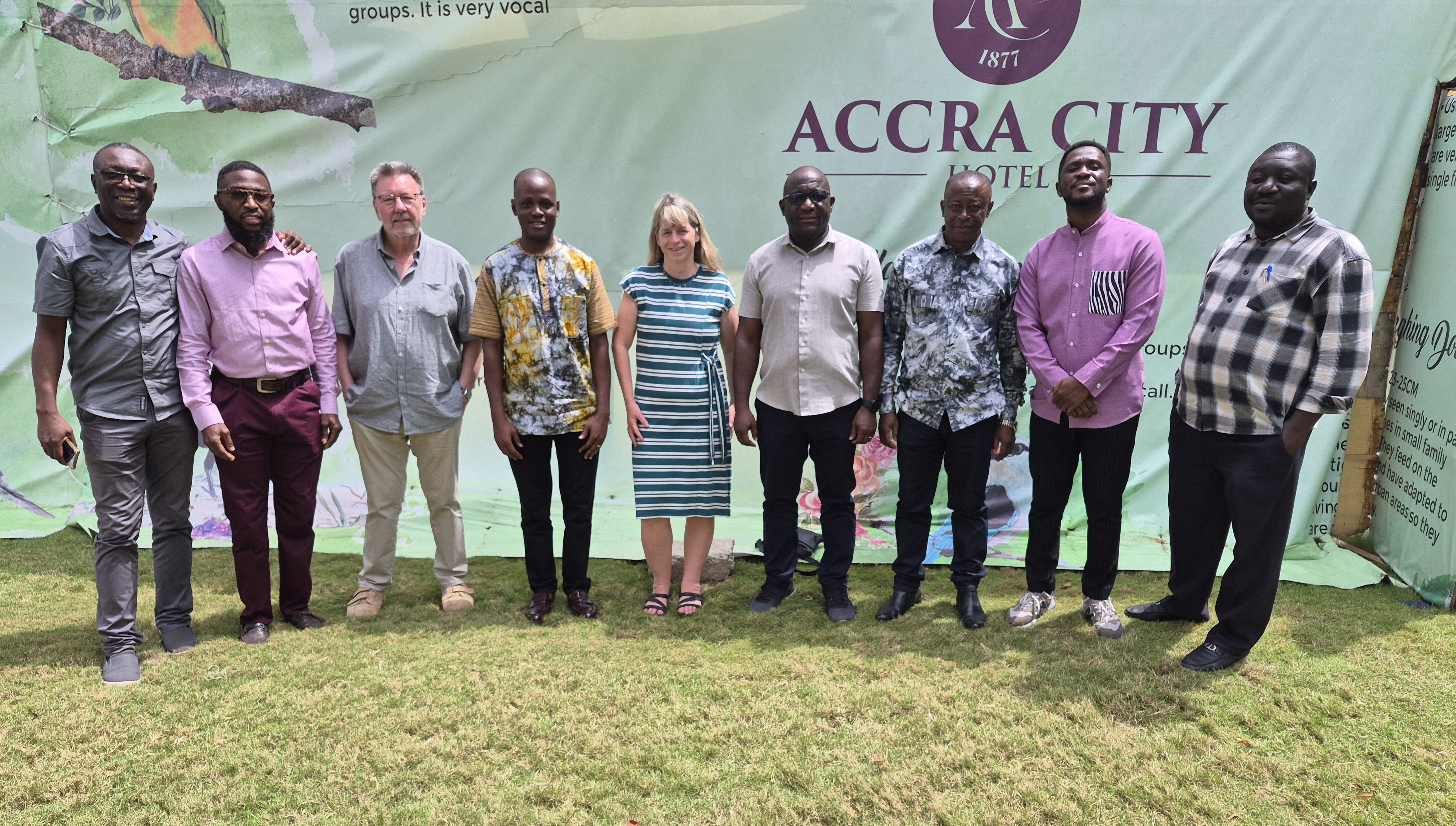
From 21 to 23 April 2026, a three‑day regional capacity‑building workshop was held in Accra, Ghana, bringing together national TNA teams from both countries. The workshop marked the first in‑person regional training for Anglophone African countries under the current TNA phase and focused on the Barrier Analysis and Enabling Framework (BAEF), a critical step in translating technology priorities into actionable strategies.
National Project Coordinators and consultants received targeted training on analytical tools and methods for identifying and prioritizing barriers to the diffusion of climate‑relevant technologies, as well as designing enabling measures to address them. The workshop also provided a platform for direct exchange between country teams, UNEP Copenhagen Climate Centre, and the Regional Centre, fostering regional collaboration and shared learning.
Technology as a key driver for climate action
Reflecting on the relevance of the process to national climate planning, Tamba Nyaka, TNA Coordinator for Sierra Leone, highlighted the role of technology in delivering the country’s climate ambitions: “When we were developing our NDC 3.0, technology needs were identified as a key driver and catalyst for us to be able to achieve implementation of the NDC.”
Ghana and Sierra Leone presented updates on their ongoing TNA processes, initiated in the second half of 2025. Both countries are preparing for national stakeholder consultations to prioritize mitigation and adaptation technologies. As Joseph Baffoe, Ghana TNA Coordinator, noted, “The third TNA is helping out to really focus. We have all these technologies, but, let’s focus on the ones that are national priorities in our NDC, and, lower-hanging fruits, something that we can actually implement”.
These priorities will inform the next phase of work, including detailed barrier analyses and the development of enabling frameworks addressing policy, financial, institutional and technical constraints. The results will be consolidated into national BAEF reports. Emphasizing the longer‑term impact of this work, Baffoe highlighted the importance of “making sure that the process of addressing climate change issues have technology-centered actions that will ensure that we would be able to mitigate and adapt to climate change in the coming future. “
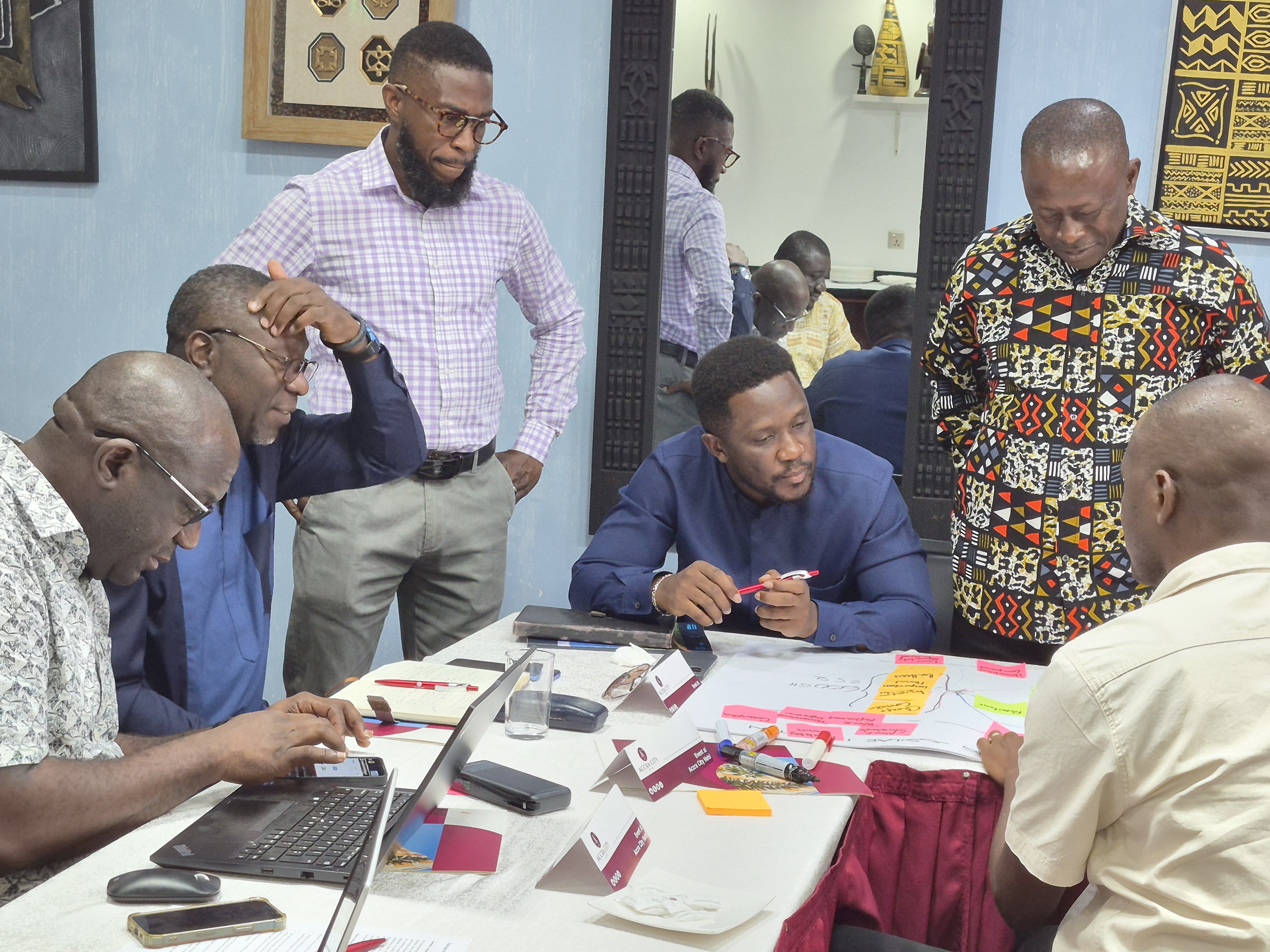
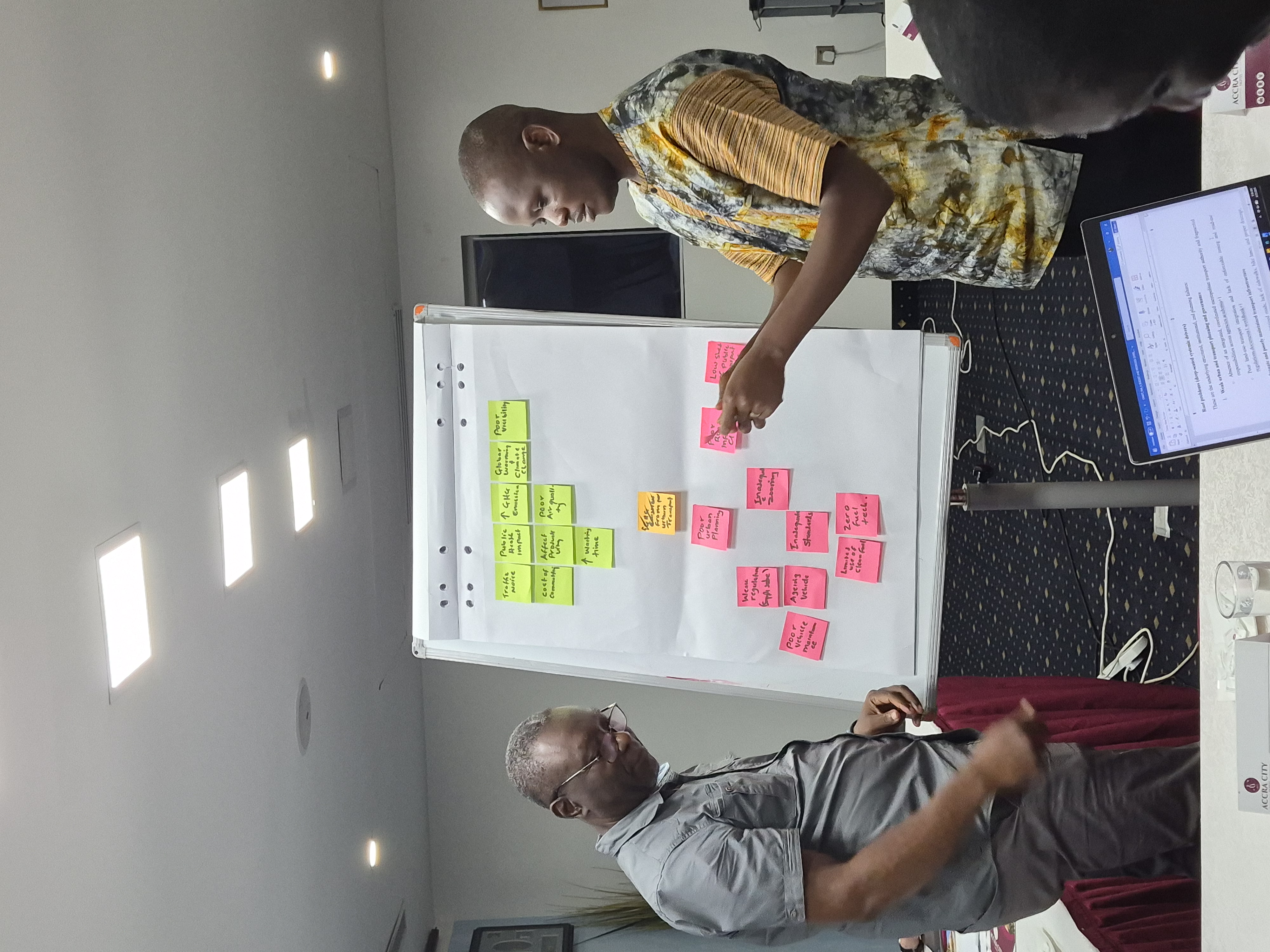
The training followed established TNA methodology, drawing on the TNA Step‑by‑Step Guidebook and lessons from earlier phases. Participants worked with key analytical tools such as problem and solution trees, market mapping and cost‑benefit analysis. The programme combined technical presentations with facilitated group exercises, allowing participants to apply concepts directly to their national contexts.
Tamba Nyaka also emphasized the value of the BAEF process in strengthening implementation planning: “We are able to go in depth into analyzing the barriers, looking at the enabling conditions, and assessing what is feasible and what is not feasible. I think it will help us in achieving the policies and measures identified in the NDC.”
Country knowledge exchange and hands-on exercises
Feedback from participants underscored the practical value of the workshop. Attendees highlighted its relevance, high‑quality facilitation and strong opportunities for interaction.
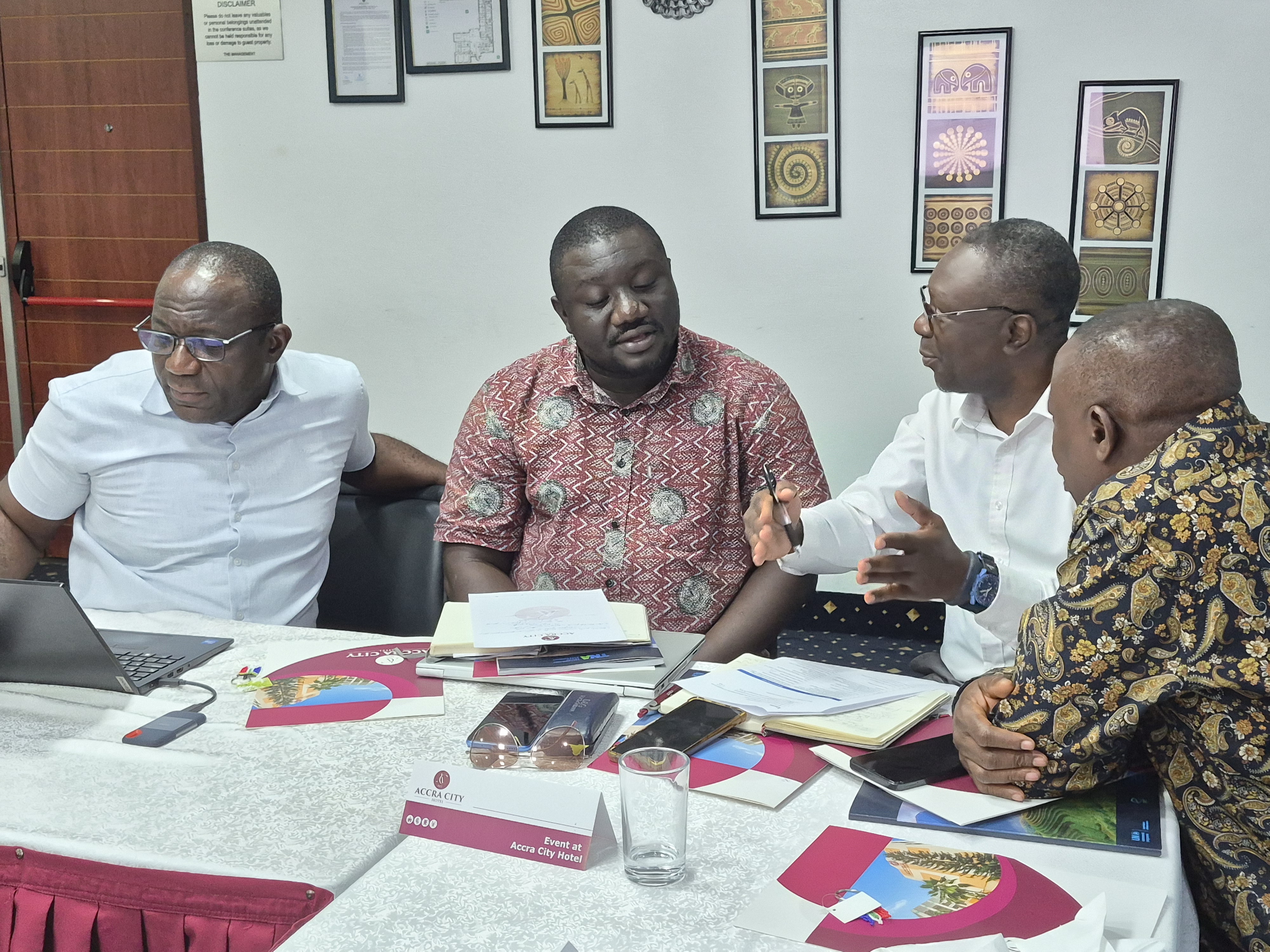
Responding to comments and recommendations from previous TNA workshops and capacity building, the experts and facilitators from UNEP Copenhagen Climate Centre and UCT, represented by Senior Researcher Debbie Sparks, prioritized groupwork and a hands-on approach, encouraging interaction and cross-fertilization between the country teams.
The hands‑on exercises, which helped translate methodological guidance into concrete skills for advancing national TNA implementation were particularly appreciated. Continued engagement through future capacity‑building activities was also identified as a key priority.
Through this workshop, UNEP Copenhagen Climate Centre and its Regional Centre partners continue to support countries in strengthening the analytical foundation needed to accelerate the deployment of climate technologies and achieve their climate goals.
Share this
Tags: Ghana, Sierra Leone
Hands-on training during the workshop:
Photos: Debbie Sparks, UCT